Pool Pump Replacement Timing
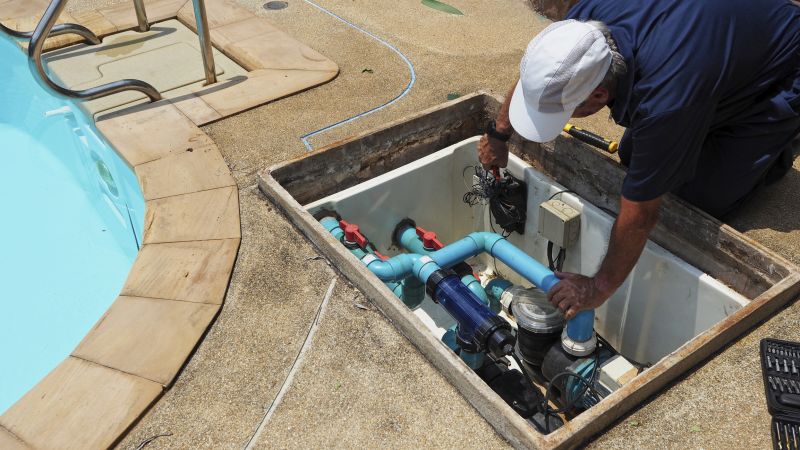
Regular maintenance can extend the lifespan of a pool pump and help identify issues early.
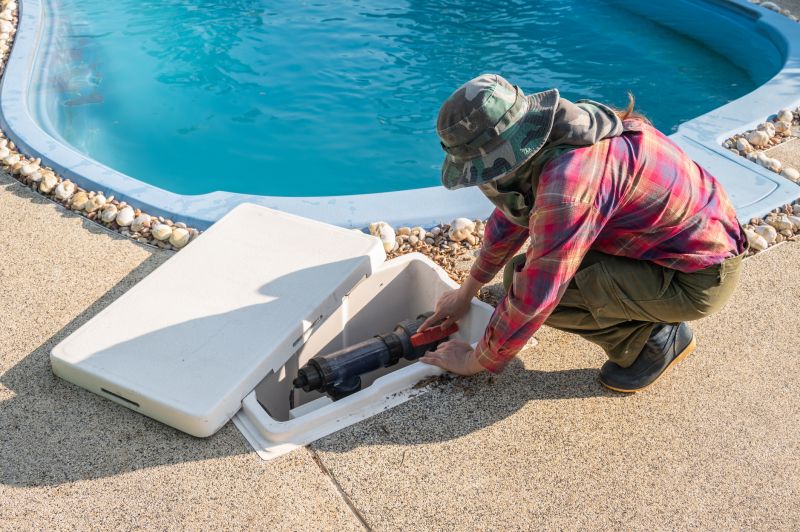
Replacing a pool pump during the off-season minimizes disruption and allows for proper installation.
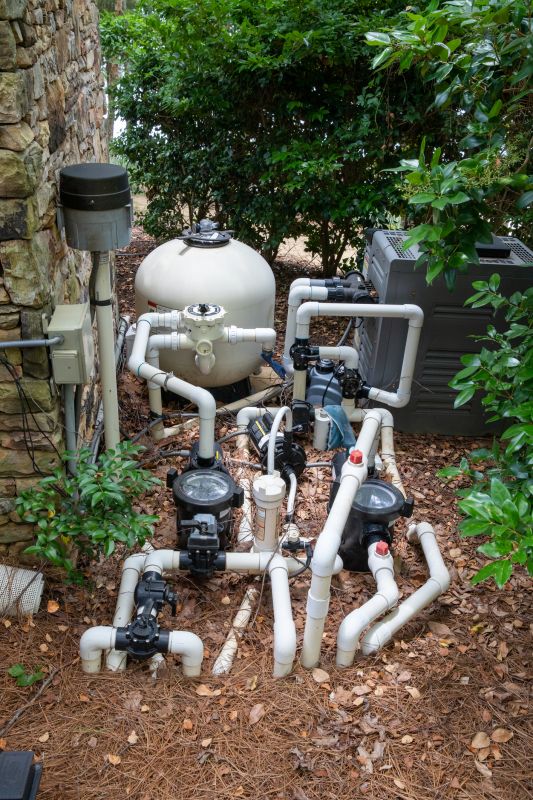
Choosing a time with mild weather ensures optimal conditions for installation and testing.
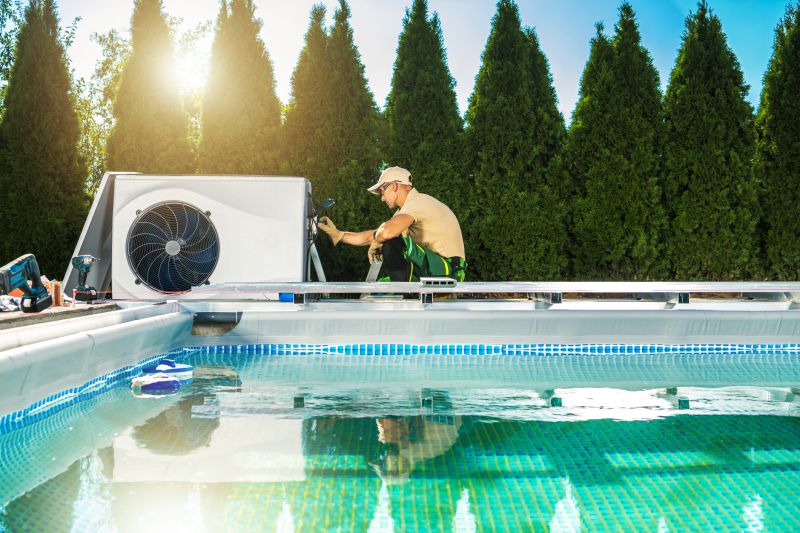
Ways to make Pool Pump Replacements work in tight or awkward layouts.
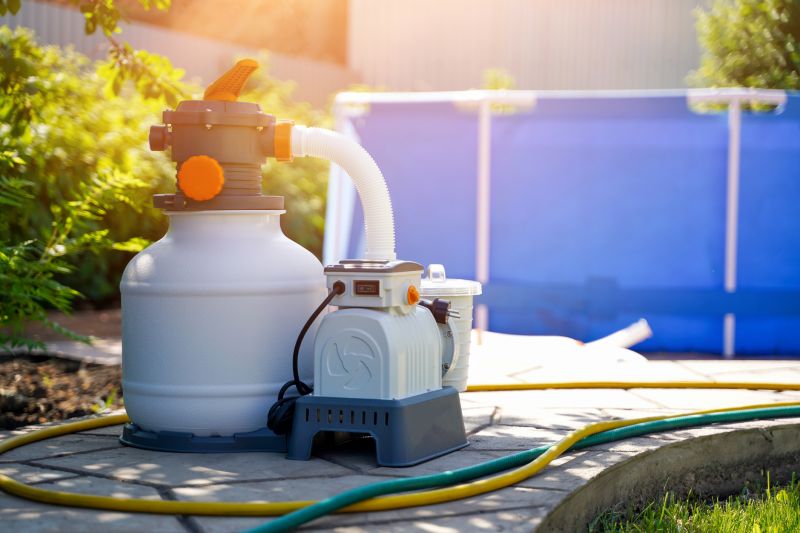
Popular materials for Pool Pump Replacements and why they hold up over time.
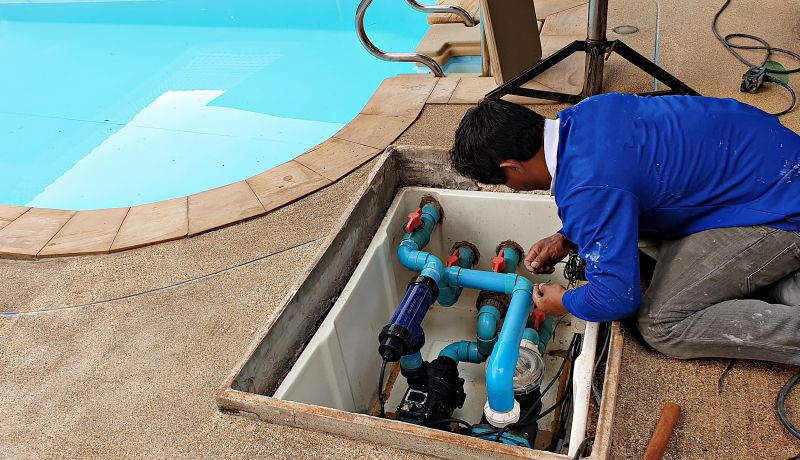
Simple add-ons that improve Pool Pump Replacements without blowing the budget.
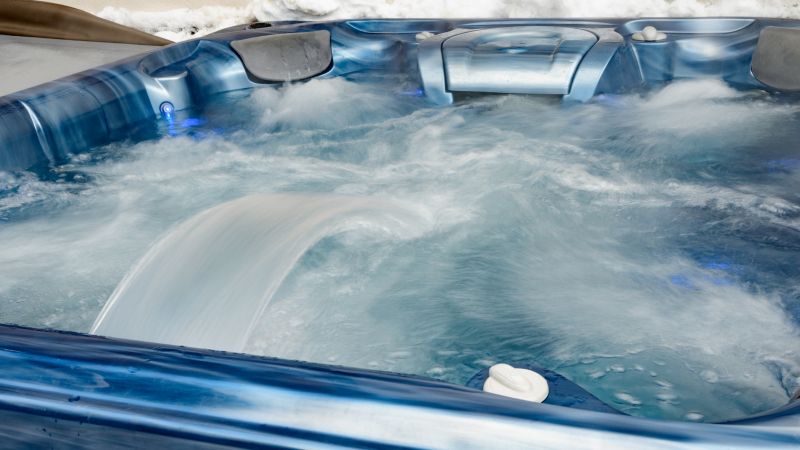
High-end options that actually feel worth it for Pool Pump Replacements.
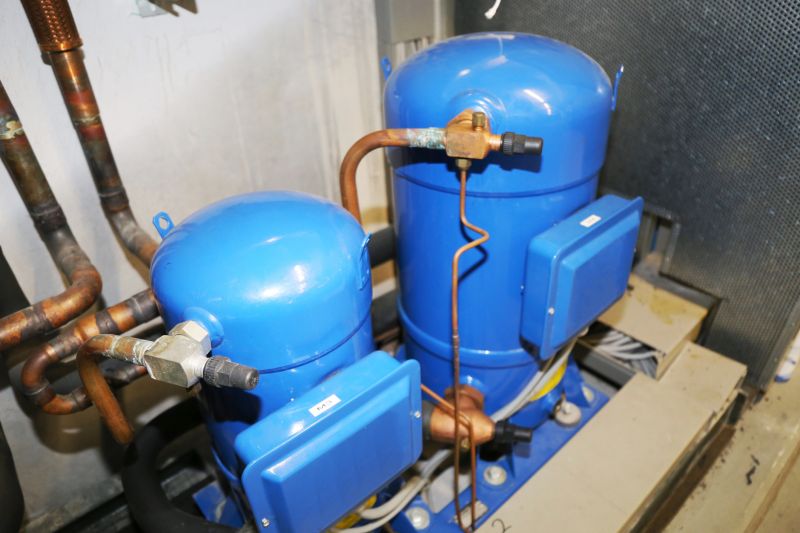
Finishes and colors that play nicely with Pool Pump Replacements.
Pool pump replacements are essential for maintaining efficient water circulation and filtration. The optimal timing depends on factors such as pump age, performance issues, and seasonal usage patterns. Replacing a pump before it completely fails can prevent water quality problems and costly repairs. Typically, pool pumps last between 8 to 12 years, but signs of wear such as increased energy consumption, strange noises, or reduced flow indicate it may be time for a replacement.
Unusual noises, leaks, or decreased water flow are indicators that a pump may need replacing.
Replacing an aging pump improves energy efficiency and prolongs the life of the entire pool system.
Performing replacements during spring or fall minimizes impact on pool use and allows for proper setup.
Modern pumps are more energy-efficient, reducing operational costs over time.
Choosing the right time to replace a pool pump involves evaluating its current condition and planning around seasonal usage. Early replacement can prevent unexpected breakdowns during peak swimming months, ensuring continuous operation. Additionally, upgrading to a more efficient model can lead to significant savings on energy costs. Proper timing and installation are crucial for maximizing the benefits of a new pump and maintaining water quality.
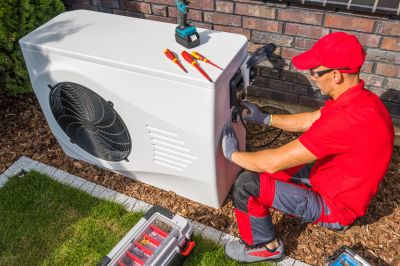
Professional installation ensures the pump operates efficiently and reduces future issues.
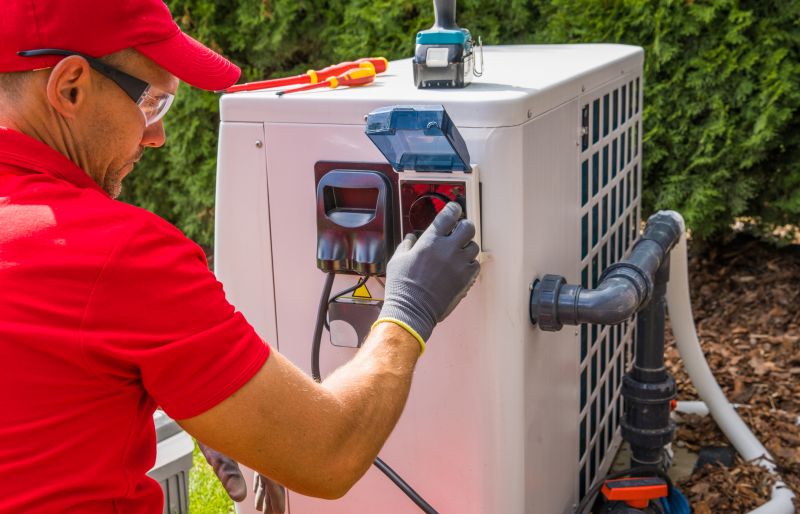
Upgrading to energy-efficient models lowers operational costs and improves performance.
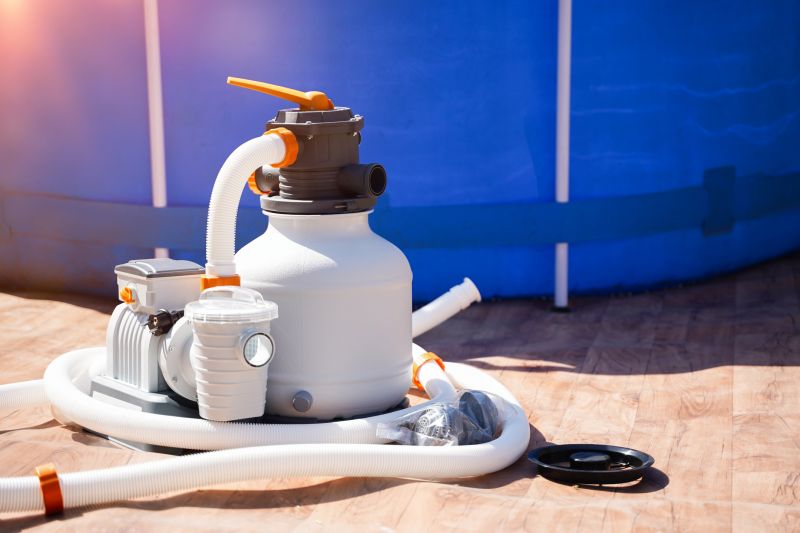
Identifying early signs of failure can help schedule timely replacements.
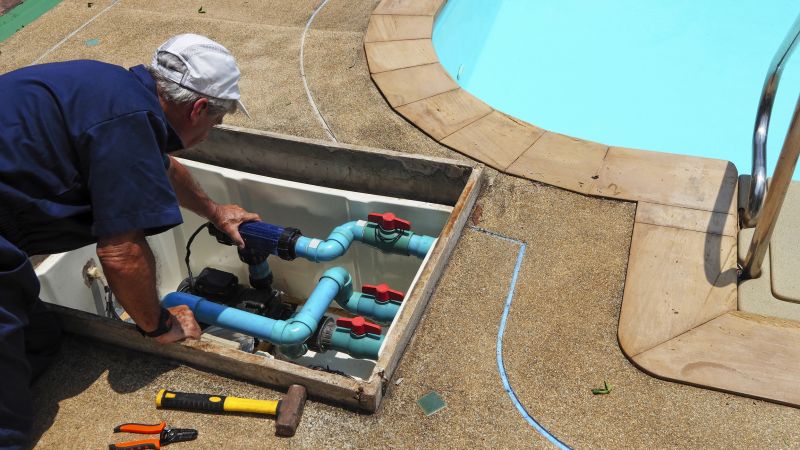
Little measurements that prevent headaches on Pool Pump Replacements day.
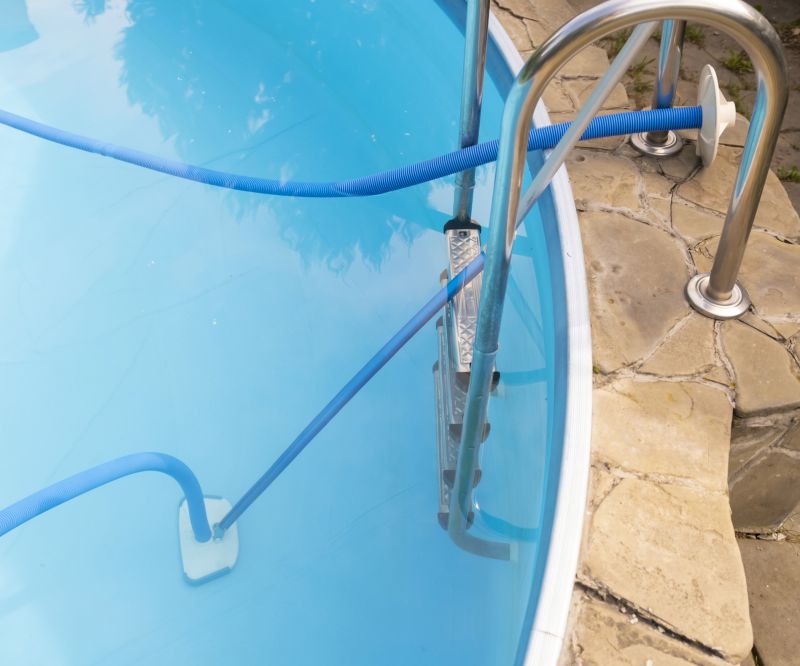
A 60-second routine that keeps Pool Pump Replacements looking new.
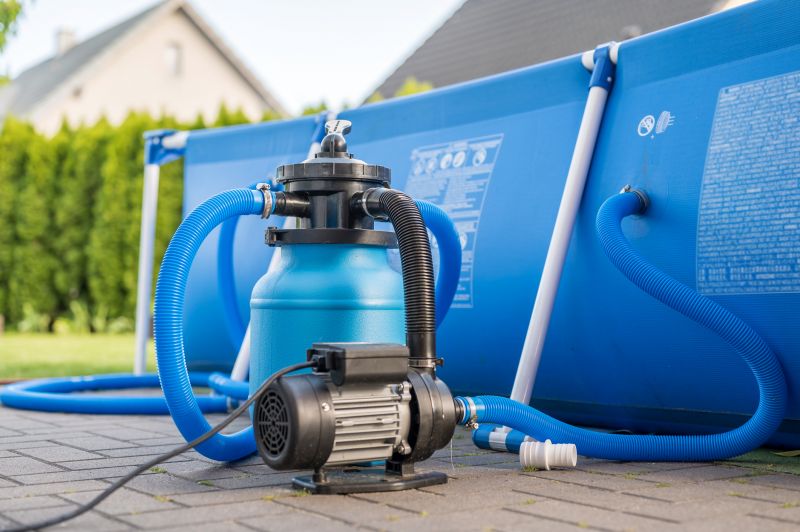
A frequent mistake in Pool Pump Replacements and how to dodge it.
Small tweaks to make Pool Pump Replacements safer and easier to use.
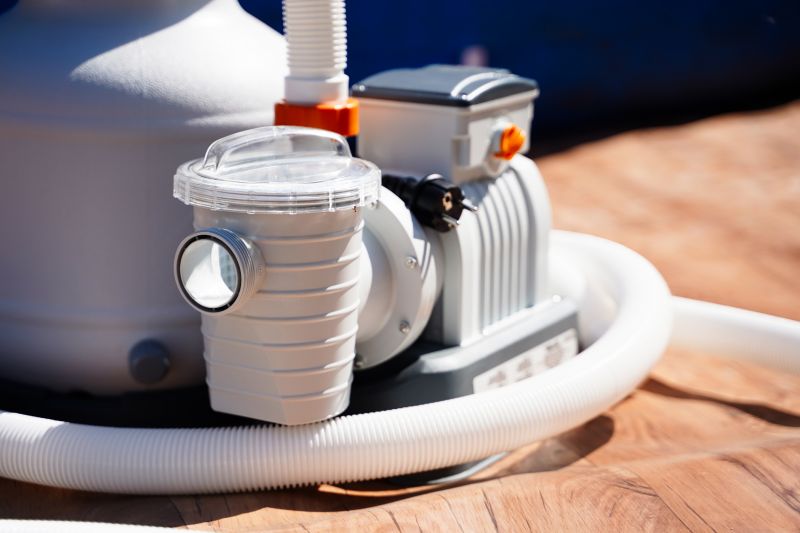
Lower-waste or water-saving choices for Pool Pump Replacements.
| Aspect | Details |
|---|---|
| Typical lifespan | 8 to 12 years |
| Signs of failure | Noise, leaks, low flow |
| Best replacement season | Spring or fall |
| Energy savings potential | Up to 50% with modern pumps |
| Installation time | 1-2 hours |
| Cost range | $300 - $800 |
| Impact of replacement | Improved efficiency and water quality |